
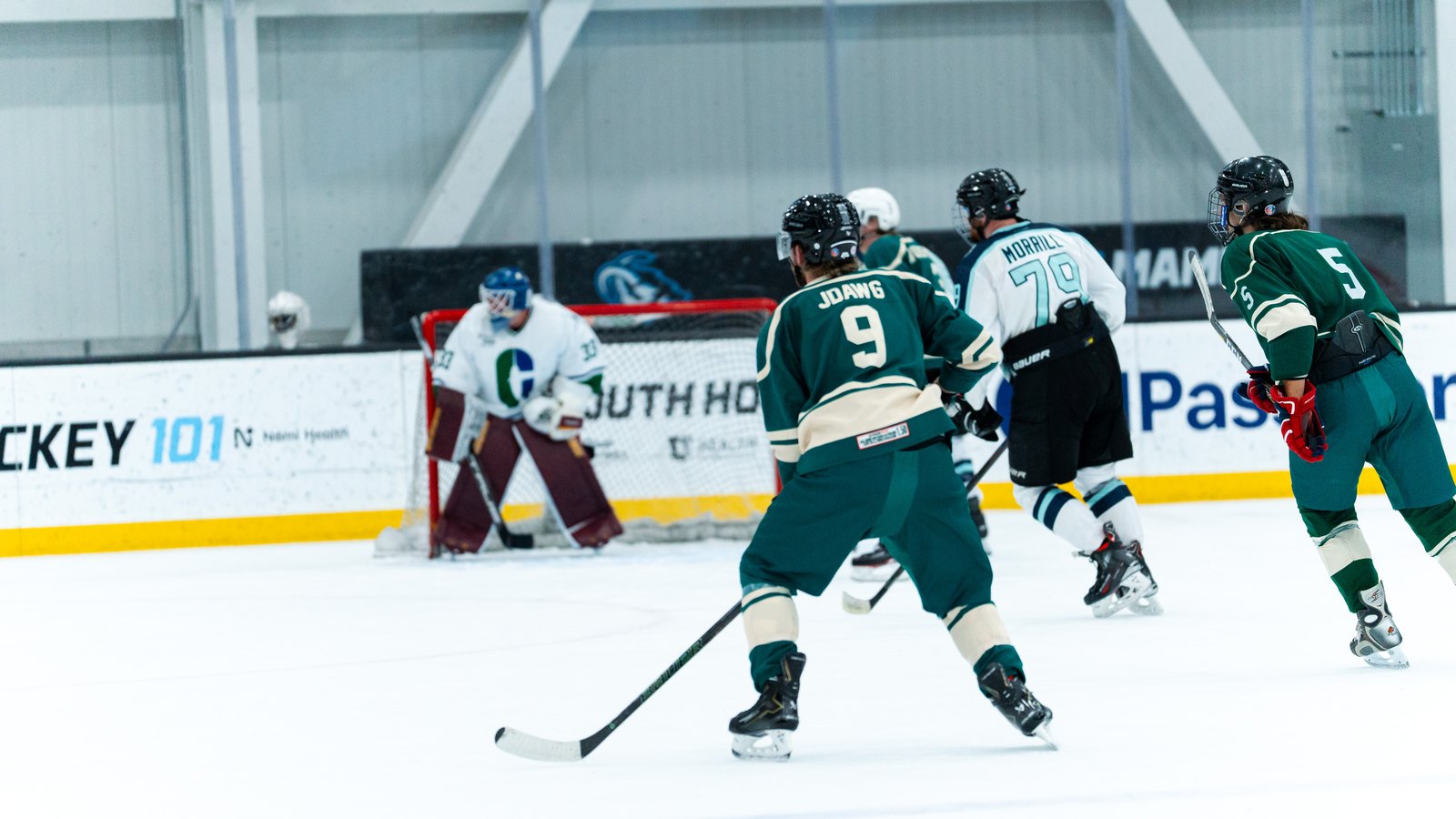
Nobody in beer league is getting checked through the glass by a 6-foot-4 pro. And yet, somehow, half the locker room is nursing something. A tweaked groin, a wrist that's "probably fine," a shoulder that clicks now. The truth about adult rec hockey injuries is that they're rarely dramatic — they're the boring, preventable stuff that happens when a 38-year-old sprints out of the gate on cold muscles with a helmet that has no cage. Here's what actually sidelines beer leaguers, and the low-effort habits that keep you playing.
Forget the highlight-reel stuff. In an adult non-checking league, the recurring list looks like this:
The research is blunt on this one: a higher rate of injury is directly associated with not wearing shoulder pads. Every year, someone decides pads are optional in a no-check league and separates a shoulder on a nothing fall. Wear the full kit, every time.
And the big one — facial protection. Adult leagues that don't require a cage are the reason facial injuries stay on the list. A full cage or at least a half-visor is a few bucks and saves your teeth, your eyes, and a trip to the ER. If you're not sure your bag is complete, run through our beer league equipment checklist for beginners — missing gear is missing protection.
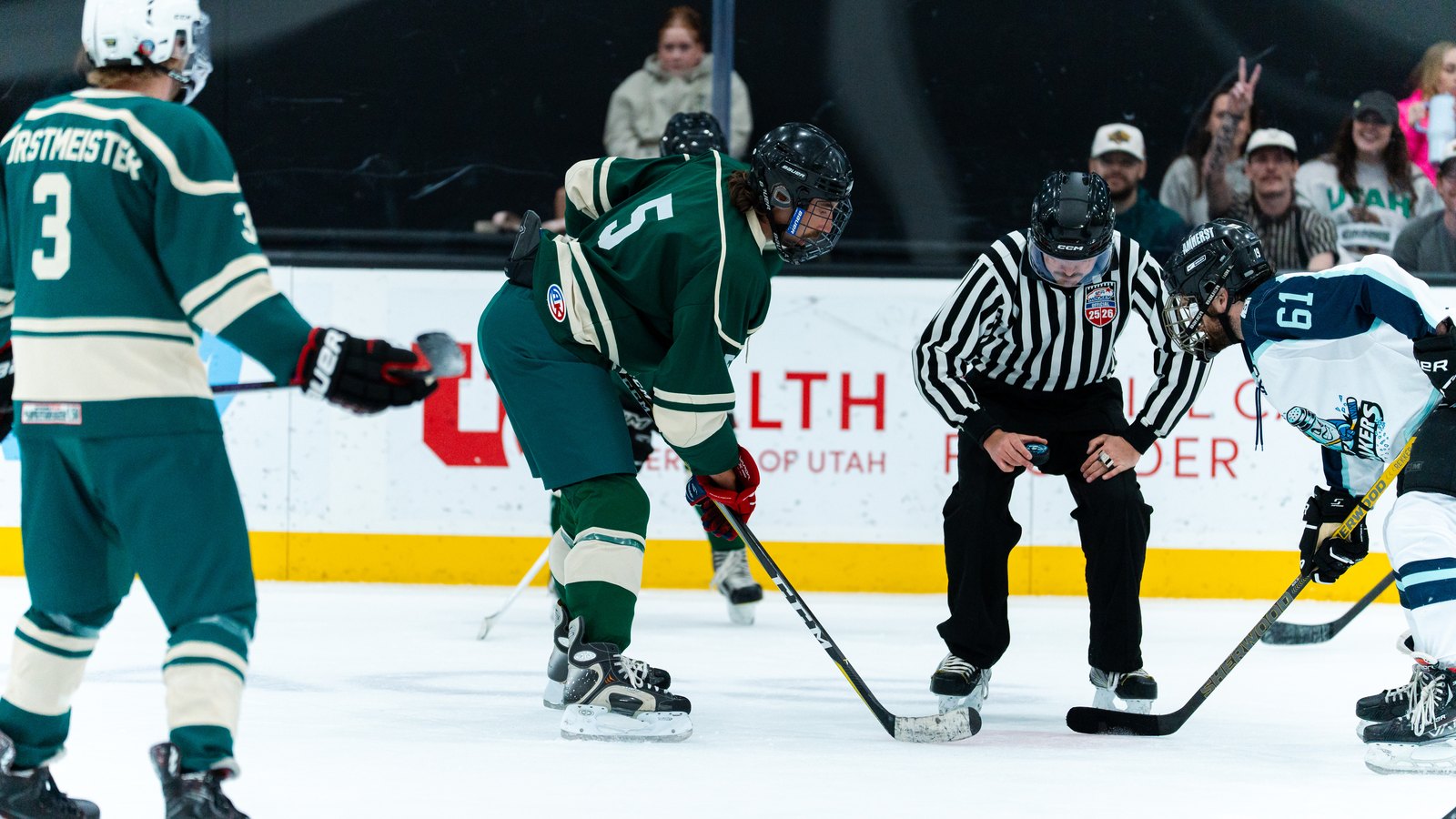
Here's the highest-return, lowest-effort habit in all of adult hockey. The entire warm-up — foam rolling, stretching, getting the blood moving — takes maybe 15 minutes, and it prevents the single most common injury category. Skating out cold and immediately sprinting is how you pop a groin on shift one.
That's it. Fifteen minutes between you and six weeks on the couch.
Most wrist fractures and a lot of shoulder and head injuries come down to how you hit the ice or the boards. Two rules from the sports-medicine playbook:
Learning to stop properly helps too — a lot of edge-catch and knee injuries come from never really learning to stop under control. We break it down in how to stop in hockey: a beginner's guide.
Beer league is a no-contact, everybody-has-work-tomorrow environment. The unwritten rules of beer league hockey exist largely to keep everyone healthy: no big hits, no reckless stick work, no trying to win a Tuesday-night game like it's Game 7. Play hard, play clean, and don't be the guy who ends someone's season over a rec-league goal.
The Glizzies are proof you can play beer league hockey into your dad-bod years without falling apart — as long as you warm up, wear the cage, and keep your head up. Come find a bench that plays the right way.
Meet the Team Start Playing in UtahNone of this is about being scared of the game. It's about the boring stuff that lets you keep playing it. Fifteen minutes of warm-up, a full cage, a bag with all your pads in it, and the discipline to brace with your forearm — that's the entire difference between a long beer league career and a short one. Now go stretch that groin. Seriously.